Dark Script: A Typeface That Blends Classic Charm with Modern Versatility
Every designer, entrepreneur, or creative hobbyist has faced the moment of staring at a blank canvas, searching for that one element to tie everything together. Often, the solution isn't a complex illustration or a flashy effect, but a single, well-chosen typeface. A font can set the entire mood of a project, whispering elegance or shouting excitement. For those seeking a blend of timeless sophistication and approachable style, a particular calligraphic script has been gaining quiet acclaim for its ability to add instant character and a human touch.
Understanding the Visual Appeal of a Stylish Calligraphic Script
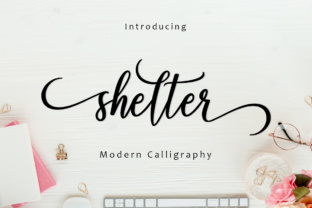
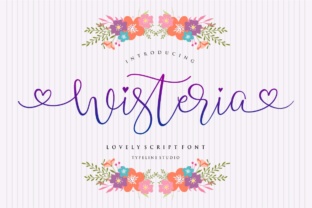
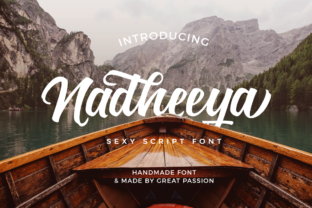
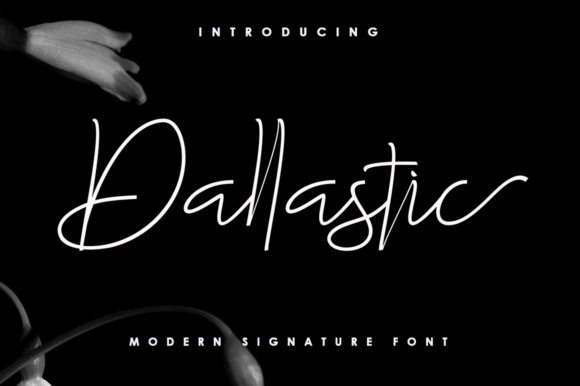
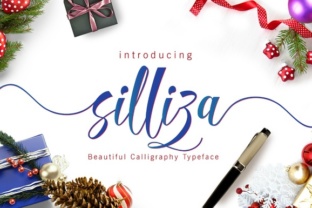
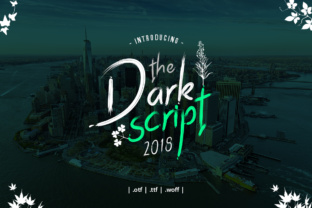
At its core, this typeface is a premium font designed to mimic the fluid, organic strokes of hand lettering. Its key characteristic is a varying baseline, meaning the letters don't sit in a perfectly straight line. This subtle imperfection is what gives it life, preventing it from looking sterile or overly mechanical. The result is a modern typography choice that feels both classic and interesting. It carries the warmth of a handwritten font but with the polished confidence of a professional display font. This duality makes it incredibly adaptable; it can feel personal for a wedding invitation or bold for a logo.
The design likely includes stylistic alternates and swashes—decorative flourishes that can be added to beginning or ending letters. These features allow for customization, letting you tailor the font's personality to your specific project. Whether you're crafting a logo for a boutique bakery or designing a header for a lifestyle blog, these details help create a unique visual signature that stands out from generic script fonts.
Practical Applications Across Creative and Commercial Projects
The true test of any creative font is how it performs in the real world. This particular script shines in numerous scenarios, making it a valuable addition to any designer's toolkit.
For brand identity, it excels at creating a memorable and approachable image. Think of logos for wedding planners, artisan coffee shops, or boutique clothing lines. The script's elegance communicates quality and care, helping to build immediate brand recognition. It’s not just for logos, though. Consistent use across business cards, packaging, and social media profiles reinforces that identity, creating visual consistency that builds trust.
In packaging design, a script font can evoke a sense of craftsmanship and authenticity. Imagine it on labels for handmade soaps, gourmet jams, or craft spirits. The flowing letterforms suggest a product made with passion, differentiating it on a crowded shelf. Similarly, for editorial design, it can transform a magazine headline or a book chapter opener, adding a layer of artistic flair that draws readers in.
Digital spaces benefit greatly from this type of display font. For social media graphics, it can make quotes, announcements, or sale promotions feel more engaging and personal. On a website, used sparingly for hero text or section headings, it can guide the visitor's eye and establish a sophisticated tone. Just remember to pair it wisely for body text to maintain readability.
Making It Work for You: Pairing and Practical Tips
Introducing a strong script font into your design requires a thoughtful approach. The goal is to let its personality shine without overwhelming the viewer or compromising clarity.
The most critical step is font pairing. A script font like this is best used for headlines, logos, or accent text. Pair it with a clean, simple sans serif font or a classic serif font for body copy. For example, pairing it with a neutral sans serif like Open Sans or Lato creates a beautiful contrast that is both stylish and easy to read. Avoid pairing it with another ornate or busy font, as this creates visual chaos.
Always consider your project's goals and your audience. For a formal event invitation, you might use the font with its elegant swashes. For a more casual, modern brand, you might use a simpler version of the same script. Test different weights and styles if the font family includes them—sometimes a lighter weight feels more refined, while a bolder weight makes a stronger impact.
Readability is paramount, especially at smaller sizes or on screens. Use this font primarily for larger text elements where its intricate details can be appreciated. When used for longer sentences, ensure there is ample spacing between letters and lines. For web design, consider using it as an image for critical headings or ensure your web font license covers embedding.
Licensing and Integrating into Your Workflow
Before downloading any commercial font, understanding the license is non-negotiable. Most premium fonts come with specific terms regarding usage. A standard license typically covers a certain number of users or computers and allows for use in print and digital projects, including logos and merchandise. If you plan to use the font for a client project, an extended license or a multi-user license might be necessary. Always read the license agreement thoroughly to avoid legal issues down the line.
Once you have the right license, integrating the font into your workflow is straightforward. Install it on your computer, and it will appear in the font menus of all your design software, from Adobe Creative Suite to Canva. Take advantage of any included OpenType features in programs like Illustrator or InDesign. Accessing stylistic alternates can help you avoid repetitive letter shapes and add a custom, hand-lettered feel to your work.
Ultimately, a font like this is more than just a set of letters; it's a design asset that can elevate the emotional impact of your work. It bridges the gap between the impersonal nature of digital text and the warmth of human craftsmanship. Whether you're a small business owner building a brand from the ground up, a content creator looking to make your visuals pop, or a designer seeking a versatile new tool, exploring a high-quality script font is a worthwhile investment in your creative arsenal. It’s about finding that perfect voice for your visual message—one that speaks with clarity, personality, and enduring style.