Lilytulip Script: A Vintage Font for Modern Design
There’s a particular feeling you get when you find the perfect typeface for a project. It’s that moment when the visual identity clicks into place, and the font doesn’t just display words—it communicates an emotion. For many designers and creators, the Lilytulip Script font evokes exactly that feeling. It’s a beautiful script font with a distinct personality, blending a vintage sensibility with an elegant, flowing style that feels both nostalgic and fresh. This isn’t just another decorative typeface; it’s a versatile tool that can add a layer of sophistication and warmth to a surprising range of creative work.
Capturing a Specific Mood: Vintage Charm Meets Modern Elegance
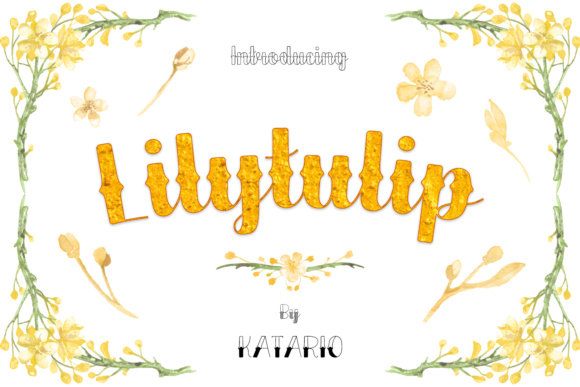
What sets the Lilytulip Script apart in a crowded market of script fonts is its balanced character. It avoids the extremes of overly formal calligraphy or casual, messy handwriting. Instead, it sits in a sweet spot that feels authentic and refined. The letterforms have a gentle, organic flow with subtle variations that mimic the pressure changes of a real pen or brush, giving it a human touch that digital fonts often lack. The vintage influence is evident in its graceful swashes and classic proportions, but it’s rendered with a clean, modern clarity that ensures it doesn’t feel dated.
This blend makes it an incredibly adaptable script font. It can evoke the rustic charm of a farmhouse kitchen for a artisan food brand, the romantic elegance of a wedding invitation, or the retro-cool vibe of a boutique coffee shop. Its visual personality is strong enough to be memorable, yet versatile enough to serve as a foundational element in a broader brand identity system.
Where This Creative Font Truly Shines: Practical Applications
The true test of any premium font is its utility. How can you actually use Lilytulip Script to solve design problems and create beautiful outcomes? Its applications are wide-ranging, making it a valuable addition to any designer’s toolkit.
- Branding and Logo Design: For businesses that want to convey authenticity, craftsmanship, or a personal touch—think bakeries, floral studios, boutique clothing lines, or wedding planners—this font can be a cornerstone of their visual identity. It works beautifully for logos, wordmarks, and monograms, instantly setting a specific tone. When used in logo design, pair it with a clean sans serif font for body text to ensure readability and balance.
- Packaging and Merchandise: On product labels, shopping bags, or merchandise tags, Lilytulip Script adds a handcrafted, premium feel. It makes the product feel special and considered, which can influence purchasing decisions. Imagine it on a jam jar label, a candle box, or a tote bag—it immediately elevates the perceived value.
- Print and Editorial Design: This handwritten font isn’t just for logos. It can create stunning headlines in magazines, lookbooks, or menu designs. Use it for chapter titles in a cookbook, pull quotes in a lifestyle blog post, or the title on a poster for a local market. Its decorative nature means it’s best used for short bursts of text to maximize impact without sacrificing readability.
- Digital Presence and Social Media: In the fast-scrolling world of Instagram, Pinterest, and Facebook, a distinctive font can stop a thumb. Lilytulip Script is perfect for creating eye-catching social media graphics, quote images, promotional banners, and highlight covers. It helps establish a consistent visual style that followers will recognize instantly, strengthening brand recognition across platforms.
- Invitations and Special Events: This is where the font’s elegant personality is fully at home. Wedding suites, baby shower invitations, birthday party details, and event signage benefit immensely from its romantic and celebratory character. It sets the mood before the event even begins.
Making It Work: Pairing and Practical Considerations
While Lilytulip Script is a standout creative font, its effectiveness depends on thoughtful implementation. A few practical tips will help you use it to its full potential.
Font Pairing is Key. No font exists in a vacuum. To ensure readability and professional presentation, always pair your script with a more neutral, highly legible typeface. A simple sans serif like Lato, Montserrat, or Open Sans makes an excellent partner for body copy, website navigation, or detailed information. Alternatively, a classic serif font like Playfair Display or Libre Baskerville can create a sophisticated, editorial contrast. The goal is to let the script shine for headlines and accents while the supporting font handles the heavy lifting of longer text.
Context Matters. Always consider your audience and project goals. Is the font for a formal legal document? Probably not. Is it for a children’s birthday party invitation? Perfect. Test the font at the size it will be used. A beautifully swashed capital letter might look stunning at 72pt on a poster but become an unreadable blob at 12pt on a business card. Reviewing all the included glyphs and stylistic alternates in the font package can also unlock new creative possibilities for customizing your text.
Think About the Whole System. Using this font consistently across all touchpoints—from your website headers to your email newsletter signatures to your product tags—builds a cohesive and recognizable brand experience. This consistency is what transforms a nice-looking font into a powerful component of your visual communication strategy.
A Final Note on Choosing Your Tools
Finding the right typeface is a mix of aesthetic judgment and practical strategy. The Lilytulip Script offers a compelling option for anyone looking to infuse their work with vintage elegance and handcrafted charm. It’s a design asset that works hardest when it’s aligned with a clear creative vision. Before committing, always ensure the font’s license is suitable for your needs, whether for personal projects or commercial use. When the style, the application, and the licensing all align, you don’t just have a font—you have a storyteller for your brand.