Maritha Script: A Modern Typeface for Feminine Branding
There's a moment in every design project where the typography either brings everything together or leaves you feeling like something is missing. You've chosen your colors, arranged your layout, and selected your imagery, but the text just sits there—functional, perhaps, but lacking personality. This is where a thoughtfully crafted script font can transform your work from merely informative to genuinely evocative. Maritha Script enters this space as a modern script typeface designed to inject warmth, character, and a distinctly feminine energy into a wide range of creative applications.
The Visual Character of a Trendy Script Font
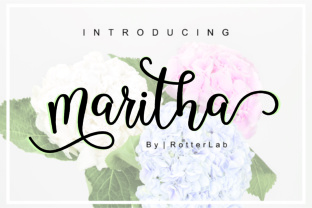
What immediately sets Maritha Script apart is its intentional irregularity. The baseline isn't rigid or mechanical; it flows with a natural, handwritten rhythm that feels human and approachable. This isn't the kind of script that tries to mimic 18th-century calligraphy or overly formal copperplate. Instead, it embraces a contemporary, relaxed aesthetic that resonates with current design trends favoring authenticity and organic texture.
The letterforms themselves strike a balance between legibility and decorative flair. The connections between letters feel fluid rather than forced, and the overall texture on a page or screen is light and airy. This makes it particularly well-suited for projects where you want the typography to feel like a personal touch—like a handwritten note from a friend rather than a corporate memo. The "trendy and feminine" style isn't about clichés; it's about a visual language that communicates care, creativity, and approachability.
Practical Applications: From Wedding Invitations to Brand Identities
The true test of any display font is how it performs across different contexts. Maritha Script's design makes it versatile enough for both personal and professional projects, though it shines brightest where a human touch is desired.
For event stationery, this font is a natural fit. Wedding invitations, save-the-dates, thank you cards, and greeting cards benefit immensely from a script that feels personal and celebratory. Its irregular baseline mimics the look of skilled hand-lettering, which is often the gold standard for such materials. Similarly, for quotes and inspirational graphics—whether for social media, printed posters, or wall art—Maritha Script adds an emotional resonance that a standard sans serif simply cannot achieve.
In the realm of branding and logo design, the font offers a specific personality. It's ideal for businesses that want to project a feminine, artisanal, or boutique identity. Think of a florist, a handmade cosmetics brand, a wedding photography studio, a specialty bakery, or a lifestyle blog. Using Maritha Script in a logo or as a primary brand typeface can immediately signal to your target audience that your brand values aesthetics, craftsmanship, and a personal connection. However, a crucial piece of advice: always test a script font in a logo at very small sizes and in single-color applications to ensure it remains legible and doesn't become a visual blur.
For packaging design, particularly for products in the beauty, wellness, food, or artisan goods sectors, Maritha Script can elevate shelf appeal. Imagine it on a label for organic skincare, a sleeve for specialty coffee, or packaging for handmade candles. It communicates premium quality and attention to detail. When used in editorial layouts for magazines, lookbooks, or blog graphics, it works beautifully for pull quotes, subheadings, or section dividers, adding visual interest and breaking up blocks of body text.
Integrating Maritha Script into Digital and Print Workflows
A font's utility is also defined by its technical features. Maritha Script includes a set of OpenType features that are essential for professional typographic work. The availability of initial and terminal letters allows for more natural-looking beginnings and ends to words, avoiding awkward connections. Ligatures—special character combinations that are designed to flow together seamlessly—automatically improve the readability and aesthetic of letter pairs that might otherwise clash. Furthermore, multiple language support ensures that the font can be used in projects for international audiences without missing critical diacritics or characters.
When incorporating any script font into your projects, especially for web design or social media graphics, readability must be a primary concern. Maritha Script, with its moderate contrast and clear character shapes, is designed to be legible at common display sizes. However, it is not intended for long paragraphs of body copy. Its strength lies in headlines, titles, logos, and short bursts of text where its personality can be fully appreciated without taxing the reader's eyes. For body text, pair it with a clean, highly readable sans serif font or a classic serif font. This contrast creates a dynamic and professional typographic hierarchy.
Making the Most of Your Font Choice
Choosing a font like Maritha Script is just the first step. To use it effectively, consider these practical steps:
- Define the Project's Voice: Before applying the font, ask what tone your project needs to convey. Is it romantic and soft? Energetic and playful? Elegant and refined? Maritha Script leans toward the romantic and artisanal. Ensure that aligns with your message.
- Test Pairings Diligently: Don't just settle on the first combination you try. Experiment with different font pairings. Try it with a geometric sans serif for a modern contrast, or with a transitional serif for a more classic feel. See how the weights and sizes interact.
- Review All Included Styles: A premium font family often includes more than one weight or style. Explore all the options available within the Maritha Script package. You might find a lighter weight for delicate subtitles or a bolder weight for impactful headers that better suit specific needs.
- Consider the Medium: A font can look different in print versus on screen. Test it in your intended medium. For print materials like business cards or posters, ensure the ink doesn't bleed into the fine strokes at your chosen size. For digital use, check rendering across different devices and browsers.
- Understand the License: If you're using the font for commercial projects—a client's logo, a product you sell, marketing materials—verify that your license covers this use. Most premium fonts come with clear commercial licensing, but it's a critical detail to confirm to avoid legal issues down the line.
Ultimately, a typeface is a tool for communication. Maritha Script is a specialized tool designed to communicate a specific set of values: creativity, femininity, approachability, and modern elegance. When used thoughtfully and in the right context, it doesn't just display words; it enhances the entire narrative of your design, helping to build a stronger visual identity and a more engaging connection with your audience. Whether you're a designer crafting a brand system, a small business owner creating your own materials, or a hobbyist working on a personal project, understanding the personality and practical application of a font like this is what allows you to use it not just decoratively, but strategically.